Research overview

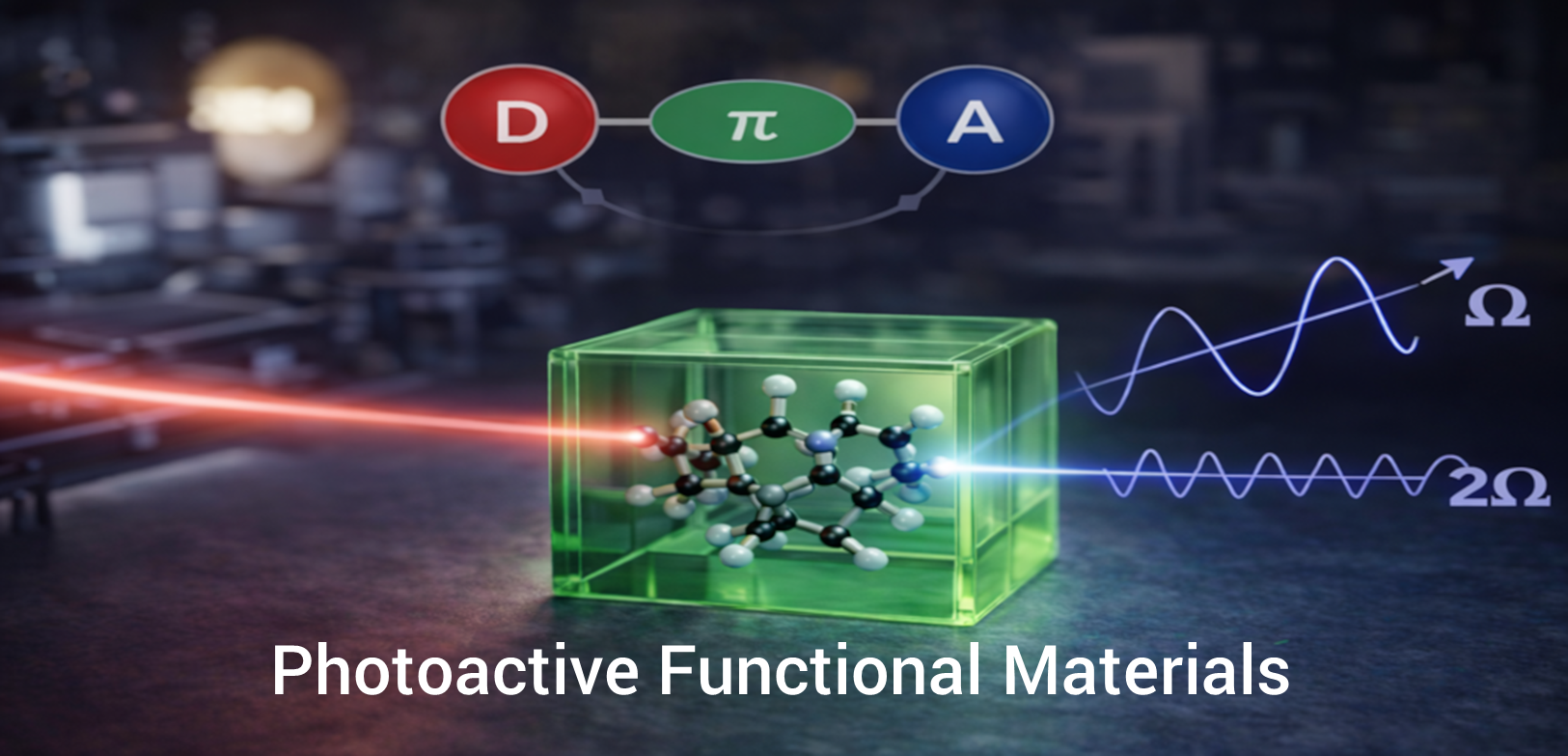
The Photoactive π-Functional Systems research group is active in the design, synthesis and characterization of functional organic molecules with electronic and photoactive properties. Since its early stages, the group has focused on donor–acceptor molecular systems, including tetrathiafulvalene (TTF) derivatives and other organic conducting materials, as well as on the development of new molecules for nonlinear optical applications.

A distinctive feature of the group is the integration of molecular-level understanding with experimental work, combining synthetic organic chemistry and advanced photophysical characterization with computational modelling to rationalize structure–property relationships, optical response and charge-transfer processes in π-conjugated systems.

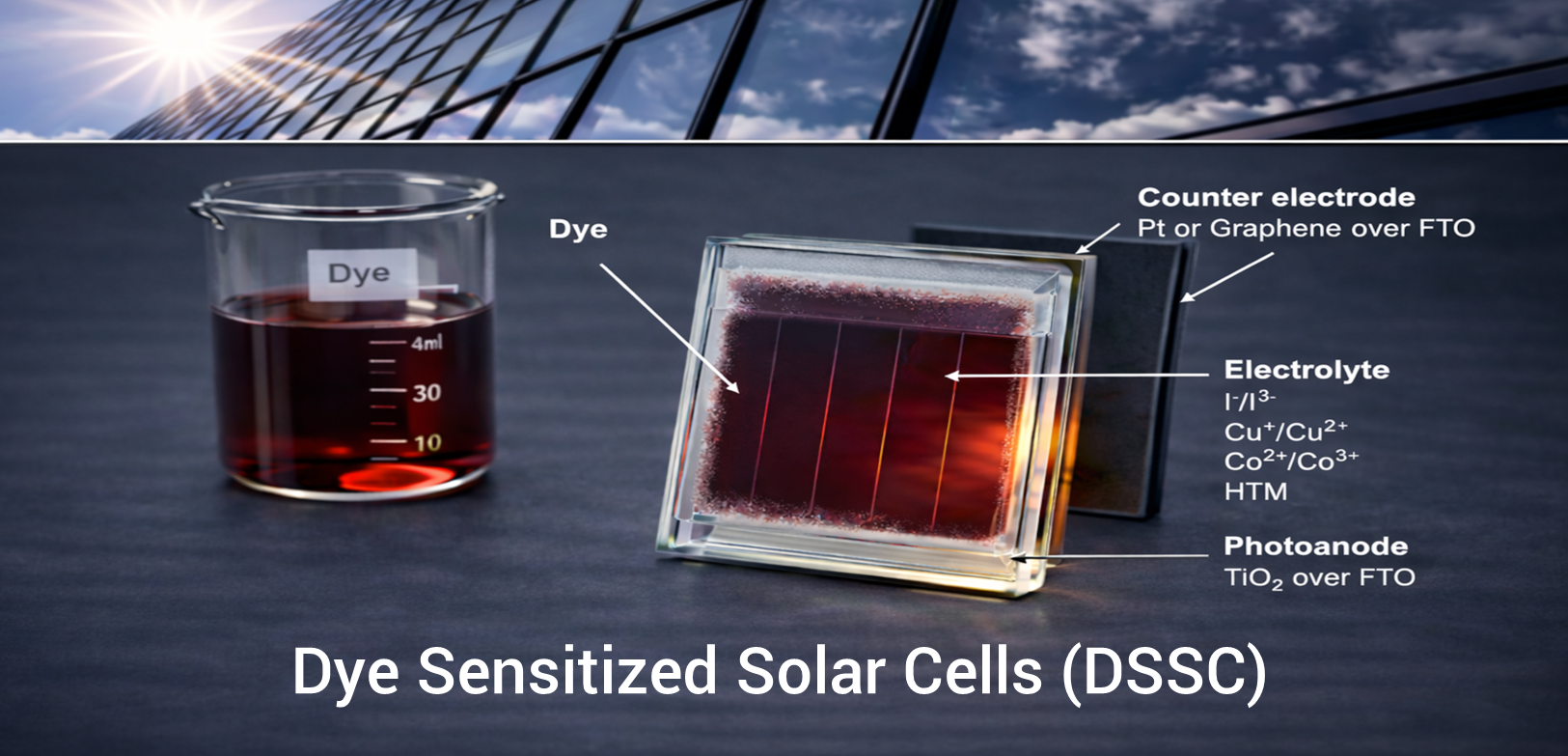
Over time, the group’s research evolved towards π-conjugated materials for photovoltaic applications, with a substantial part of its activity devoted to dye-sensitized solar cells (DSSCs). This research line has constituted one of the main pillars of the group since the early 2010s, encompassing molecular design, device fabrication and optimisation, and performance-oriented studies, with reported power conversion efficiencies exceeding 9% under simulated solar illumination, as well as systematic studies under low-light conditions.

More recently, the group has broadened its scope to include photoactive molecular systems for solar-driven processes such as water splitting, as well as the development of organic photoinitiators for light-induced reactions and advanced materials processing.

In parallel, the group is advancing the development of hole-transport materials (HTMs) for perovskite solar cells, addressing key challenges related to device performance and stability through molecular engineering and targeted photophysical characterisation.

In a complementary and emerging research direction, the group is developing photoactive organic molecules for photodynamic therapy, focusing on photoinduced processes in biological systems and antimicrobial activity against bacteria and fungi.

Scroll to Top